Meme Coin, A Trader's Guide to Narratives, Timing, and Risk
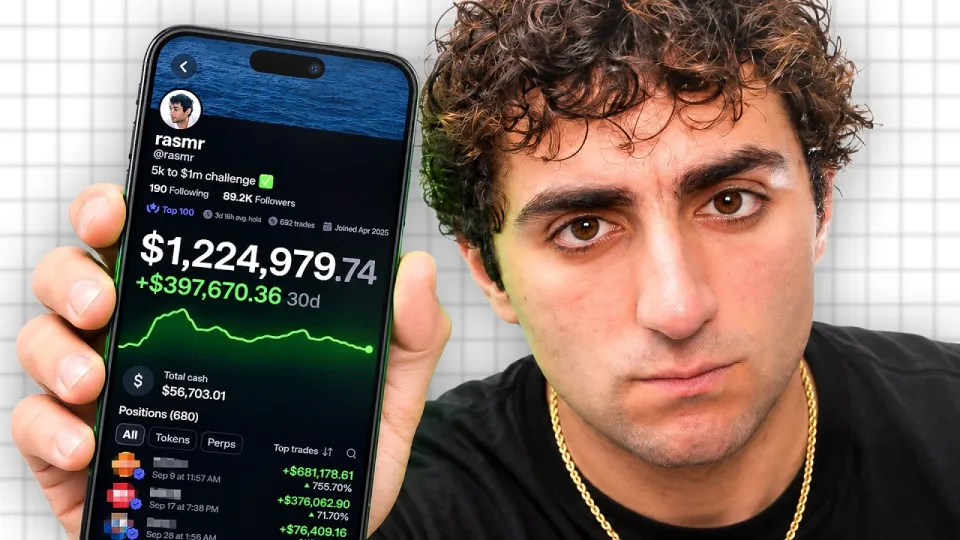
Video: 5 Years of Memecoin Knowledge in 12 Minutes
You can order the same kind of articles for your own video to boost it on YouTube and Google. Just message the Telegram bot @sat_sit_bot. It writes articles around your video, embeds the video and publishes them on popular niche websites (no ads). Try it free: 50 articles on us.
· based on the channel rasmr
A meme coin is a cryptocurrency whose value is driven primarily by community sentiment, internet culture, and narratives rather than underlying technology or cash flow. Traders profit by anticipating which narratives will attract attention and by managing risk around market capitalization milestones. The approach outlined here draws on five years of experience shared by the channel rasmr, and it emphasizes discipline over hype. To start trading with a bonus, you can use the fomo registration link mentioned in the video.
What Makes a Meme Coin Move
Memecoins move on attention, not fundamentals. Unlike tokens with revenue or utility, a meme coin's price is almost entirely a function of how many people are talking about it and how quickly new buyers arrive. The key drivers are the narrative (the story or joke behind the coin), the community (how active and committed holders are), and the launch mechanics (who got in early and at what price). Narratives can be anything from a viral animal to a political event or a celebrity endorsement. The stronger and more shareable the narrative, the more likely the coin is to attract a wave of retail buyers. However, narratives fade quickly, so timing is critical. Traders who understand why a coin was launched and who is behind it can better judge whether the hype is sustainable or likely to collapse.
Market Cap Milestones and Exit Timing
Market capitalization levels act as psychological barriers where early buyers often take profits. Common milestones include $1 million, $10 million, $50 million, and $100 million. As a coin approaches these levels, the probability of a pullback increases because early investors—who bought at much lower prices—start selling. A practical approach is to scale out: sell a portion of your holdings as each milestone is hit, rather than waiting for a single peak. This reduces the risk of round-tripping, where unrealized gains evaporate because you held too long. The rasmr video stresses that knowing at what market cap people usually start to sell is more valuable than trying to predict the exact top.
The Role of Emotions in Meme Coin Trading
Emotional decision-making is the most common reason traders lose money on memecoins. Two emotions are especially destructive: greed, which makes you hold for more after a big gain, and hope, which makes you hold a losing position expecting a recovery. A viewer comment in the video's thread admitted to losing money in their first month by acting on emotions—hoping a losing chart would bounce and getting greedy after a 50–100% gain, only to give it all back. The antidote is a pre-defined plan: set profit targets and stop-losses before entering a trade, and stick to them regardless of how you feel. Treat trading as a business, not a gamble.
Inside the Launch: Cabals and Early Access
Many memecoins are announced in private group chats before they go public, giving insiders an advantage. These circles—sometimes called cabals—are highly connected groups that coordinate launches and share information early. Retail traders rarely have access to these groups, but they can still profit by recognizing the signs of an insider-driven launch: a sudden spike in volume, a coordinated social media push, and a rapid increase in holders. However, be cautious: coins heavily promoted by insiders often have a high risk of rug pulls. The video suggests focusing on organic community growth rather than chasing insider hype. If you want to learn more about trading strategies, the rasmr Discord community (https://discord.gg/catalystfnf) is a useful resource.
Common Questions from New Traders
New traders often ask about the right time to enter, how much to invest, and how to identify a rug pull. There is no single answer, but a few principles apply. First, never invest more than you can afford to lose—memecoins are extremely volatile. Second, start small and scale up as you gain experience. Third, research the team and the narrative: anonymous teams with no track record are a red flag. Fourth, watch for liquidity locks and contract audits; these reduce the risk of a rug pull but do not eliminate it. Finally, avoid FOMO: if a coin has already pumped 10x, the risk-reward is often unfavorable. The video's comment section includes a request for a dedicated video on rug pull signs, highlighting how common this concern is.
Tools and Resources for Meme Coin Traders
Successful memecoin trading requires the right tools and information sources. On-chain analytics platforms like DexScreener and Etherscan help you track volume, liquidity, and holder distribution. Social media monitoring tools can alert you to trending narratives on Twitter and Telegram. Additionally, joining a trading community can provide real-time insights and shared experience. The rasmr Discord group is one such community where traders discuss setups and risk management. Remember that no tool guarantees profits; they only help you make more informed decisions. Always cross-check information and never rely on a single source.
Final Thoughts
Memecoin trading is a high-risk, high-reward game that rewards discipline and punishes emotion. The key takeaways are to understand the narrative, set clear exit targets based on market cap milestones, and never let greed or hope override your plan. The rasmr video condenses five years of experience into actionable advice, and it is worth watching for both beginners and seasoned traders. If you are ready to start trading, consider using the fomo bonus link to get started. Remember, the best traders are those who manage risk first and seek profits second.
Useful Links
Key takeaways
- Memecoins are driven by narratives and community sentiment, not fundamentals.
- Market cap levels (e.g., $1M, $10M, $100M) often act as psychological resistance where early buyers sell.
- Emotional trading—greed and hope—is the top reason traders lose money on memecoins.
- Early access to launches often comes from insider circles, but retail can still profit with discipline.
- Always have an exit plan; holding large unrealized gains without selling can lead to round-tripping.
Questions & answers
What is a meme coin and how does it differ from Bitcoin?
A meme coin is a cryptocurrency driven by community sentiment and internet culture, often lacking fundamental utility. Unlike Bitcoin, which has a fixed supply and store-of-value narrative, meme coins rely on viral trends and can be extremely volatile.
How do I know when to sell a meme coin?
Watch for market cap milestones like $1M, $10M, or $100M, where early buyers often take profits. Scale out gradually as these levels are approached, and always have a pre-set exit plan to avoid round-tripping gains.
Can I make money trading meme coins without insider access?
Yes, but it requires discipline and research. Focus on organic narratives and community growth, use on-chain tools to verify liquidity and holder distribution, and avoid chasing pumps. Many retail traders profit by timing entries and exits carefully.
What are the biggest mistakes new meme coin traders make?
Emotional trading—greed and hope—is the top mistake. Other errors include investing more than you can afford to lose, not having a stop-loss, and ignoring red flags like anonymous teams or unlocked liquidity.
Source: 5 Years of Memecoin Knowledge in 12 Minutes · Markdown version